
How Are Ceramic Coatings for Cars Made – Part 1
You’ve probably heard the hype about ceramic coatings—those magical liquid shields that make your car look like it just rolled off the showroom floor, even after months of highway abuse. But have you ever wondered what goes into creating this automotive protection wizardry?
Ceramic coatings aren’t just snake oil in a fancy bottle. They’re the result of serious chemistry, precision manufacturing, and rigorous testing. These liquid polymers bond with your vehicle’s paint at a molecular level, creating a protective layer that laughs at UV rays, bird droppings, and road grime.
But – that’s about it. The fact is that modern ceramic coatings are mainly intended to protect painted surfaces from everyday environmental exposure. They are not scratch resistant, do not stop water spots from sticking to the coated surface, and certainly can’t stop rock chips from occuring.
Understanding how ceramic coatings are made gives you insight into why they work so well—and why quality matters when you’re dropping serious cash on paint protection. In this three-part blog series, we’re going to break down the facts about how modern ceramic coatings for cars are made – and the limitations of these paint protection products.
So, let’s pull back the curtain on the manufacturing process that transforms raw materials into the ultimate defense for your ride.
Icon Rocklear Virginia provided a nice range of options. I particularly like the warranty and “fixability” of Icon Rocklear (used on the paint).The rest of the car was ceramic coated. Head to toe treatment. My car is six years old and it looks brand new. Very happy. I just use a foam cannon, rinse it off, and it sparkles! Because the car has “no substitute.”
The Building Blocks: Raw Materials That Matter
The backbone of any ceramic coating starts with silicon dioxide (SiO2), also known as silica. This isn’t the same stuff you’ll find at the beach—we’re talking about ultra-pure, nano-sized particles that form the foundation of the coating’s protective properties.
Silicon dioxide provides the hardness and durability that make ceramic coatings so effective. When properly formulated, these microscopic particles create a semi-permanent bond with your paint that can last years, not months.
But SiO2 doesn’t work alone. Manufacturers blend it with various other compounds to enhance specific properties:
Titanium dioxide (TiO2) adds UV resistance and self-cleaning properties. This ingredient helps prevent oxidation and gives some coatings their signature hydrophobic effect—you know, that satisfying water beading that makes washing your car feel like a science experiment.
Polymer resins serve as the carrier system, allowing the coating to flow smoothly during application and cure properly. These resins determine how easy the coating is to work with and how evenly it spreads across your paint.
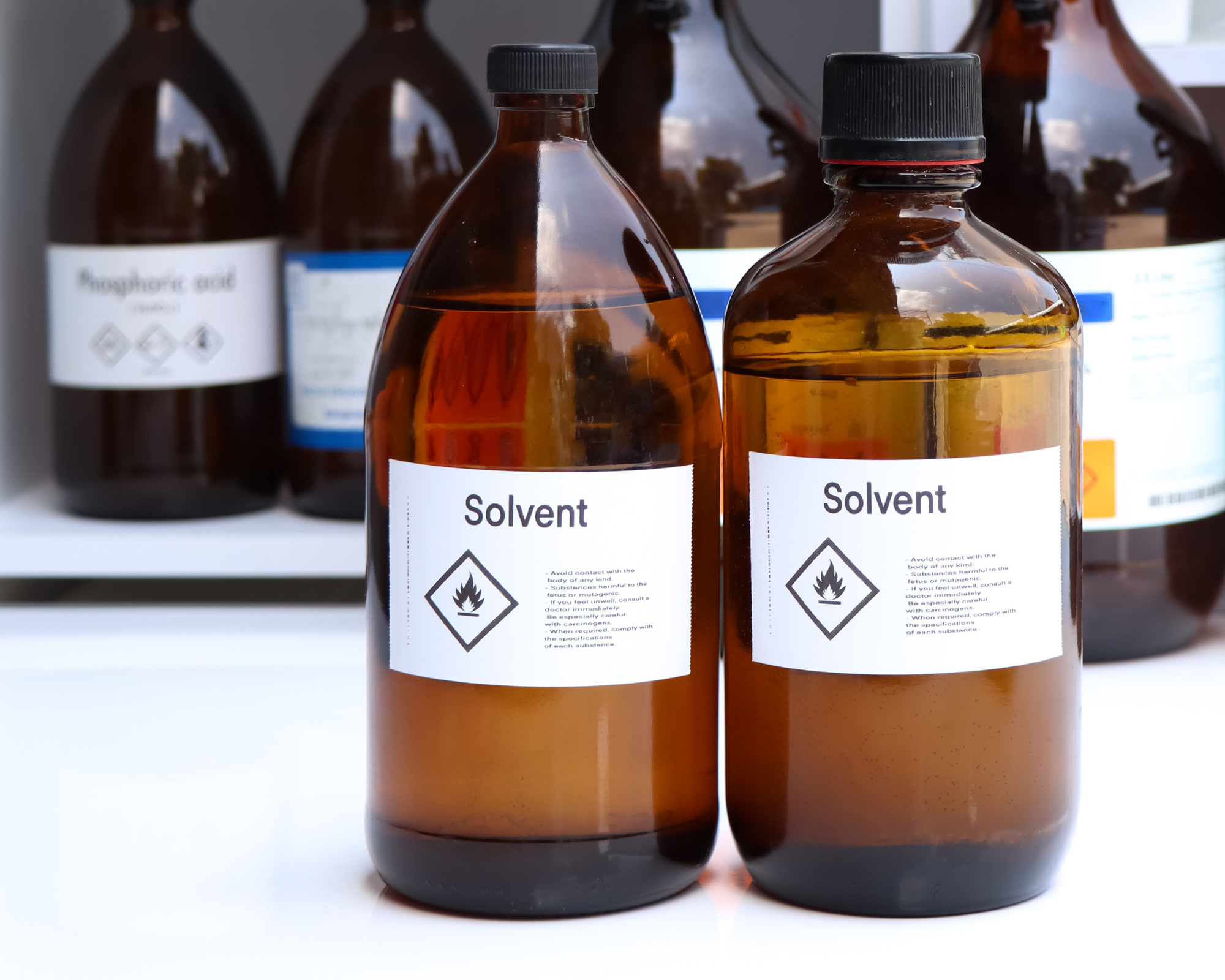
Solvents and carriers keep everything in liquid form until application. Once applied, these components evaporate, leaving behind the protective coating matrix.
The quality of these raw materials makes all the difference. Premium manufacturers source pharmaceutical-grade ingredients and maintain strict purity standards. Cheap knock-offs often use inferior materials that compromise durability and performance.
Durability: What Your Warranty Actually Means
Coating warranties vary wildly, and understanding what they actually cover can save you headaches down the road.
Consumer coating warranties typically last 1-2 years and cover defects in the product itself—not necessarily performance degradation. They’re designed to protect against manufacturing issues, not normal wear and tear.
Professional coating warranties often extend 3-5 years or more and include performance guarantees. These warranties typically require professional application and may include maintenance requirements, but they offer genuine protection against coating failure.
The key is reading the fine print. Some warranties require annual inspections, specific maintenance products, or professional reapplication after a certain period. Know what you’re signing up for before you commit.
Curing: The Make-or-Break Phase
How a coating cures can make or break its long-term performance, and different grades have vastly different requirements.
Basic coatings might cure in ambient conditions over 24-48 hours. They’re designed to be user-friendly, even if that means compromising on ultimate hardness and durability.
Professional coatings often require specific curing conditions—controlled temperature, humidity, and sometimes even infrared heat to achieve proper cross-linking. The extra effort pays off in superior hardness and chemical resistance.
Some advanced coatings use multi-stage curing, where initial bonding occurs quickly but full hardness develops over weeks. These products require patience but deliver exceptional results when properly applied.


The Manufacturing Process: Precision in Every Batch
Creating a ceramic coating isn’t like mixing paint in your garage. It’s a controlled process that requires specialized equipment and expertise.
Step 1: Material Preparation
Raw materials undergo extensive purification and quality testing. Silicon dioxide particles are reduced to nano-scale sizes—we’re talking 20-50 nanometers. For perspective, that’s roughly 1,000 times smaller than the width of a human hair.
Step 2: Formulation Mixing
This is where the magic happens. Chemists blend the ingredients in precise ratios using high-speed mixers and homogenizers. The goal is achieving perfect dispersion—every particle needs to be evenly distributed throughout the solution.
Temperature and mixing speed are critical here. Too much heat can alter the chemical structure, while insufficient mixing creates weak spots in the final product. Quality manufacturers use computer-controlled mixing systems to maintain consistency batch after batch.
Step 3: Aging and Stabilization
After initial mixing, the coating undergoes an aging process. This allows the chemical bonds to stabilize and ensures the formulation remains consistent over time. Some premium coatings age for weeks before they’re ready for packaging.
Step 4: Filtration and Purification
The mixture passes through multiple filtration stages to remove any impurities or oversized particles. This step is crucial for achieving the smooth application characteristics that separate professional-grade coatings from consumer products.
Quality Control: Testing for the Real World
You don’t want to discover your ceramic coating fails when your paint is on the line. That’s why reputable manufacturers put their products through exhaustive testing protocols.
Adhesion Testing ensures the coating properly bonds with various paint types and finishes. Test panels undergo scratch tests, cross-hatch adhesion tests, and pull-off strength measurements.
Environmental Resistance Testing exposes coated samples to extreme conditions: UV chambers that simulate years of sun exposure, salt spray chambers that replicate coastal environments, and thermal cycling that mimics temperature extremes your car might face.
Durability Testing involves accelerated wear testing using rotating brushes, abrasive materials, and chemical exposure. Quality coatings must maintain their protective properties and appearance through thousands of simulated wash cycles.
Real-World Validation takes testing beyond the lab. Testing vehicles in various climates and driving conditions provides data on long-term performance. This is where you separate the pretenders from the genuine article.
American manufacturers often conduct additional testing to meet domestic performance standards and ensure their products can handle everything from Arizona desert heat to Minnesota winter salt.
Application Readiness: Getting It Right
The final manufacturing steps prepare the coating for real-world application. This involves adjusting viscosity for optimal flow characteristics and adding any final stabilizers or flow enhancers.
Viscosity Optimization ensures the coating spreads evenly without being too thick (which causes streaking) or too thin (which reduces coverage). Professional-grade coatings maintain consistent viscosity across temperature ranges, so they perform whether you’re applying in a heated garage or a cool outdoor environment.
Packaging and Preservation protects the coating’s chemical integrity. Quality products use UV-resistant bottles with inert gas purging to prevent contamination and degradation during storage.
Application Instructions aren’t an afterthought—they’re part of the manufacturing process. Proper application is critical for achieving the coating’s designed performance, so clear instructions and recommended techniques are developed alongside the product itself.
The Final Result: Science Meets Performance
When everything comes together correctly, you get a ceramic coating that transforms your vehicle’s paint into a resilient, glossy surface that shrugs off environmental contaminants and makes maintenance easier.
The manufacturing process directly impacts performance. Coatings with superior dispersion cure more evenly. Products with better raw materials last longer. Formulations with proper testing behind them perform as advertised.
This is why not all ceramic coatings are created equal. The difference between a premium coating and a budget option often comes down to manufacturing quality, not marketing hype.
When you understand what goes into making a quality ceramic coating, you can make informed decisions about protecting your investment. In our next blog, we’ll break down the claims manufacturers and installers make and tell you the facts.
The investment in education upfront will pay dividends in satisfaction and improved performance down the road. Your vehicle deserves protection that works as advertised. And Icon Rocklear is the coating that will produce the quality you expect – far superior to any ceramic coating.
If you’d like to schedule a free consultation with an Icon Rocklear Installer in Virginia, please fill out the form below, and we’ll be happy to answer all your questions.