
Why Virginia Road Salt Ruins Car Paint
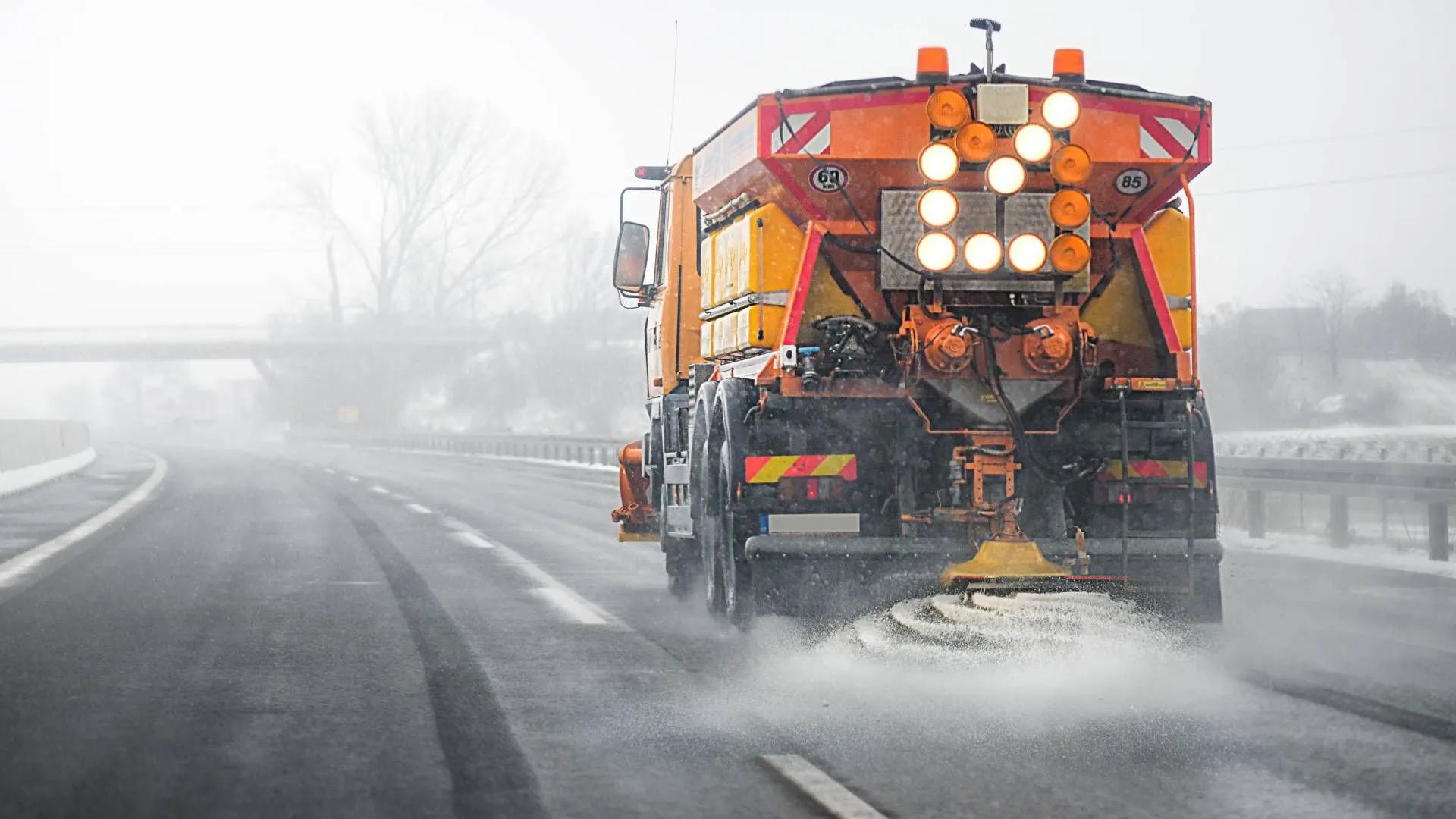
Virginia winters are known for their unpredictability. One week might bring mild temperatures, and the next could bury the state in ice and snow. When the forecast calls for freezing conditions, the Virginia Department of Transportation (VDOT) acts quickly, treating highways and local roads with thousands of tons of rock salt and liquid brine.
While these measures are essential for keeping drivers safe and traffic moving, they come with a hidden cost. That same substance melting the ice on I-95 or I-81 is simultaneously waging war on your vehicle’s exterior.
For car owners in the Commonwealth, understanding the relationship between road salt and automotive paint is crucial to maintaining their vehicles’ value and appearance.
Ignoring the buildup of winter grime isn’t just a cosmetic issue; it significantly accelerates your car’s aging. By understanding how salt works and taking the right preventive steps, you can keep your car looking showroom-ready even after the harshest winter storms.
The Chemistry of Corrosion
To understand why road salt is so destructive, we have to look at the chemistry involved. Road salt is typically sodium chloride or calcium chloride. When this salt mixes with melting ice or snow, it creates a saline solution.
This mixture acts as an electrolyte, which speeds up the chemical reaction between the iron in your car’s body and the oxygen in the air. This process is known as oxidation, or more commonly, rust.
While modern cars come with clear coats designed to seal the paint and underlying metal, road salt is abrasive. As you drive, tiny particles of salt, dirt, and gravel bombard your vehicle, creating microscopic chips and scratches in the clear coat.
The saline solution seeps into these imperfections, getting underneath the paint layer. Over time, this causes the paint to bubble, flake, and eventually peel away, leaving the metal exposed to rapid corrosion.
The Danger Zones: Areas Most Susceptible to Damage
Salt doesn’t affect every part of your vehicle equally. The damage usually begins in areas where snow and slush accumulate and sit for long periods.
The Undercarriage
This is the most vulnerable part of your vehicle because it is completely exposed to the road surface. Since you rarely see it, rust can form and spread extensively before you ever notice a problem.
Wheel Wells
Your tires are constantly kicking up a spray of salty slush. This mixture packs into the wheel wells and clings to the liner and the fender edges. If not rinsed out, this corrosive poultice sits against the body panel for days or weeks.
Lower Door Panels and Rocker Panels
These areas take the brunt of the spray from your own tires and passing vehicles. They are high-impact zones for road debris, meaning they likely already have small chips where salt can enter.
Effective Protective Measures
You don’t have to leave your car in the garage until spring to keep it safe. A few proactive maintenance steps can drastically reduce the impact of road salt.
Strategic Washing
The most effective way to combat salt damage is to remove the salt. During the winter months, try to wash your vehicle every 10 to 14 days, especially after a snowstorm once the roads have dried.
Avoid washing your car if the temperature is below freezing, as this can freeze your locks and door seals. When you do wash it, opt for a high-pressure spray that can reach inside the wheel wells and, most importantly, spray the undercarriage. Many automatic car washes offer an undercarriage blast cycle—this is worth the extra few dollars in winter.
Waxing and Sealing
Think of wax as a sacrificial layer. It provides a barrier that the salt has to eat through before it can reach your clear coat. Applying a high-quality polymer wax or sealant right before winter begins gives your paint a fighting chance. It also makes the surface slicker, making it harder for ice and salty slush to stick to the panels.
Advanced Protective Coatings
For those who want more durability than traditional wax, modern protective coatings offer a stronger shield. Icon Rocklear, for example, creates a chemical bond with the paint, offering a hard, hydrophilic surface that repels water and contaminants more effectively than wax or even ceramic coatings.
Keep Your Vehicle Pristine This Winter
Living in Virginia means dealing with road salt, which is inevitable, but salt damage doesn’t have to be. By understanding how corrosion works and maintaining regular washes, you can significantly extend your vehicle’s life.
However, if you are looking for the ultimate defense against the harsh chemicals used on Virginia roads, you need a solution tougher than standard wax or factory clear coats.
For the highest level of protection, you should have a certified installer in Virginia apply Icon Rocklear to your vehicle. It provides a robust, protective coating that is far superior to traditional methods, ensuring your paint remains flawless regardless of what the winter season brings.