
How to Remove Salt Brine from Your Car in Virginia
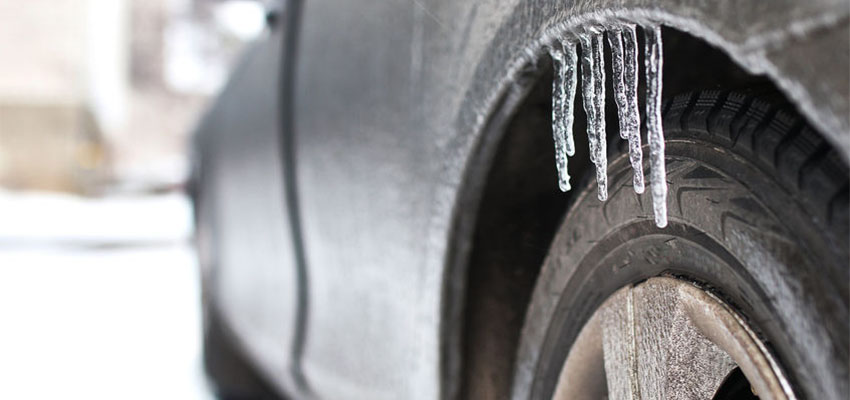
You know the drill. It’s winter in Virginia, the forecast calls for a dusting of snow, and suddenly the roads look like they’ve been striped by a giant skunk. That’s salt brine—the Department of Transportation’s favorite weapon against icy roads.
While we appreciate not sliding into a ditch on I-95, this stuff is absolute kryptonite for your vehicle. It sticks like glue, creeps into every nook and cranny, and starts eating away at your undercarriage before the snow even falls. If you care about your ride’s performance and longevity, letting that brine sit isn’t an option.
Here is the lowdown on why this stuff is nasty, what it does to your rig, and exactly how to get it off.
Why VDOT Loves the Liquid Stuff
Before we get into cleaning it off, let’s talk about why it’s there. Salt brine is a solution of water and sodium chloride (good ol’ rock salt) mixed at a specific concentration—usually around 23%.
VDOT sprays this stuff before the storm hits. It prevents snow and ice from bonding to the pavement, making it easier for plows to clear the roads later. It’s effective, it’s cheaper than dropping tons of rock salt after the fact, and it keeps traffic moving. From a safety standpoint, it’s a no-brainer. From a car enthusiast’s standpoint? It’s a headache waiting to happen.
The Silent Killer: What Brine Does to Your Truck
The problem with brine is exactly what makes it effective: it’s a liquid. Unlike rock salt, which bounces off your bumper, brine is sprayed as a fine mist that dries into a chalky film. When you drive over treated roads, your tires kick that mist up into your wheel wells, suspension components, brake lines, and exhaust system.
Once it re-hydrates (thanks to rain, snow, or even humidity), it activates. That salty solution accelerates rust and corrosion faster than you can say “check engine light.” We’re talking rusted-out mufflers, seized bolts, corroded brake lines, and frame rot. For modern vehicles with complex sensors and wiring harnesses beneath the surface, corrosion can cause expensive electrical gremlins, too.
Step-by-Step: How to De-Brine Your Machine
Getting this stuff off requires more than a quick splash with a garden hose. You need to be thorough.
Don’t Wait Until Spring
The biggest mistake people make is waiting until winter is over to wash their car. By then, the damage is done. You need to wash the brine off as soon as the roads are dry and clear.
Hit the Undercarriage First
This is where the battle is won or lost. If you have a pressure washer, get an undercarriage attachment (basically a wand on wheels that sprays upward). If you’re doing it DIY style at a coin-op wash, get down on one knee and spray upwards into the chassis. Focus on the frame rails, suspension arms, and inside the wheel wells.
Use a Neutralizing Agent
Water alone helps, but salt is stubborn. Use a salt-neutralizing wash solution. These products chemically react with the salt, breaking its bond with the metal and neutralizing its corrosive effects. You can find these at most auto parts stores or online detailing shops. Mix it into your foamer or bucket wash.
Here is our PRO TIP: After you’ve rinsed down your vehicle for the pre-wash, use a soap-based, pH-neutral, and ready-to-use All Purpose Cleaner as a pre-wash.
Don’t bother with a foam cannon (unless you have a concentrated version of this type of product. Simply spray the APC as a mist onto the affected panels (usually the lower rocker panels, front bumper, hood, fenders, and the back of the car).
Let it dwell for about 3 minutes, then continue to the next step.
The Two-Bucket Method
When washing the paint, use the two-bucket method to avoid scratching your clear coat with the grit trapped in the brine. One bucket for soapy water, one for rinsing your mitt. Wash from the top down.
The video above is a great tutorial from Icon Rocklear Virginia’s founder, Leland Jones showing how he recommends washing a vehicle.
Dry It Off
Don’t let the water sit and freeze. Dry the vehicle thoroughly with clean microfiber towels. Opening your doors, hood, and trunk to wipe down the jambs is a pro move—brine loves to hide in those seals.
Prevention: Armor Up
The best offense is a good defense. Before the first flake falls, consider applying a protective coating to your vehicle’s underbelly.
Spray Wax: These wax-based sprays are very easy to use. However, they’ll impact the hydrophobic properties if you have a ceramic coating. But, they incredibly effective at repelling water and salt.
Ceramic Coatings: For the paint, a good ceramic coating provides a hydrophobic layer that makes it harder for the brine to stick in the first place.
Icon Rocklear: If you’re seeking the best paint protection coating that has the highest corrosion resistance, Icon Rocklear is the product you need. It’s significantly thicker, stronger, and more durable than ceramic coatings.
Plus, if you fail to stay on top of removing salt brine from the coating, and it etches the coating (which is very likely), Icon Rocklear-certified installers in Virginia can easily remove and repair that damage – without removing the coating.
Keep It Clean, Keep It Running – But Protect It!
Living in Virginia means dealing with fickle weather and aggressive road treatments. Salt brine is a necessary evil for safe commuting, but it doesn’t have to be a death sentence for your vehicle.
A little preventative maintenance and a thorough wash routine will keep the rust demons at bay. Take care of your machine, and it’ll take care of you. Now, go get that hose.
If you’re curious about having a certified Icon Rocklear installer in Virginia protect your vehicle’s paint from what life and Mother Nature throw at it, fill out the form below.