9H vs. 10H Ceramic Coatings – What’s the Real Difference?

9H vs. 10H Ceramic Coatings – What’s the Real Difference?

9H vs. 10H Ceramic Coatings – What’s the Real Difference?

If you’re serious about protecting your vehicle’s paint, you’ve probably heard about ceramic coatings. These slick, glossy layers promise to shield your car from the elements, but the market is flooded with terms like “9H” and “10H” hardness. It’s enough to make anyone’s head spin.

So, what’s going on? Is 10H really tougher than 9H, or is it just marketing hype? What is the pencil hardness scale vs the MOHS scale – and why does this matter when it comes to measuring a ceramic coating’s hardness?

Let’s cut through the noise and get to the facts straight. This guide will break down the differences between 9H and 10H ceramic coatings, explain what those ratings actually mean, and help you decide what’s best for protecting your ride.

Icon Rocklear Virginia provided a nice range of options. I particularly like the warranty and “fixability” of Icon Rocklear (used on the paint).The rest of the car was ceramic coated. Head to toe treatment. My car is six years old and it looks brand new. Very happy. I just use a foam cannon, rinse it off, and it sparkles! Because the car has “no substitute.”

Mike F.

Vehicle Owner

Understanding the Pencil Hardness Scale

First things first, let’s talk about where “9H” and “10H” come from. These ratings are based on the pencil hardness test, a standard method used to measure the scratch resistance of a coating.

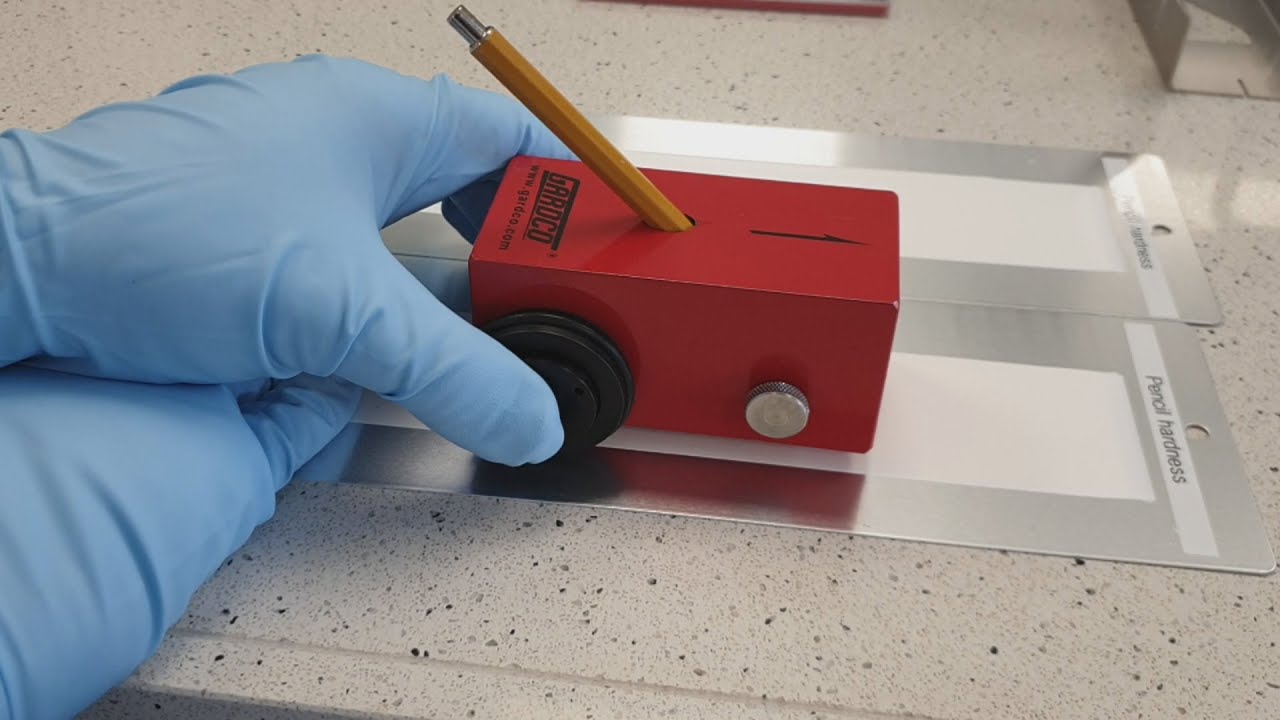
The scale ranges from the softest (9B) to the hardest (9H) graphite pencils. To test a surface, a technician presses a pencil of a specific hardness against it at a 45-degree angle. If the pencil doesn’t scratch the coating, the surface is rated at that hardness level.

So, a 9H rating means a ceramic coating can resist scratches from the hardest standard pencil. It’s a respectable level of protection against minor abrasions, swirl marks, and environmental contaminants.

What is the MOHS Hardness Scale?

The MOHS Hardness Scale is a system used to measure the scratch resistance of various materials. It was developed by German mineralogist Friedrich Mohs in 1812 and consists of 10 minerals ranked from the softest (talc) to the hardest (diamond). Each mineral on the scale can scratch all those below it, but not those above it.

Why is the MOHS Hardness Scale important for ceramic coatings?

It’s NOT. But many ceramic coating manufacturers or installers don’t know the difference – and they certainly don’t mind misinforming you.

The hardness of a diamond is measured and described by its position on the Mohs Hardness Scale, where it is assigned a value of 10, the highest rating on the scale, indicating exceptional scratch resistance.

Other tests, such as the Vickers hardness test or the Knoop hardness test, use a diamond as an indenter to measure the resistance of materials to scratching or indentation.

Mohs Hardness Scale Facts

  • What it is:
    The Mohs scale is a relative ranking system, ranging from 1 to 10, used to determine a mineral’s scratch resistance.
  • How it works:
    It relies on the principle that a harder mineral will scratch a softer one.
  • Diamond’s role:
    Diamond sits at the top of the scale with a hardness of 10. This makes it the hardest known mineral.

Other Indentation Hardness Tests

While the Mohs scale describes diamond’s hardness, other tests use a diamond to measure the hardness of other materials:

  • Vickers Hardness Test: 
    This test uses a pyramidal-shaped diamond indenter with a square base. The tester applies a specific load and measures the diagonals of the resulting indentation to calculate the Vickers hardness value.
  • Knoop Hardness Test: 
    Similar to Vickers, this test also uses a diamond indenter, but it creates a long, narrow, and shallow indentation. This makes it suitable for testing very thin or brittle materials.
  • Rockwell Hardness Test:
    While not the primary scale for testing a diamond itself, a diamond-tipped indenter (a “diamond spheroconical”) is used in specific Rockwell scales (like the HRC and HRD scales) to measure the hardness of other materials.

Ceramic coatings are often CLAIMED as being rated using the MOHS Hardness Scale because they are designed to protect against scratches and abrasions. However, as we’ve explained CLEARLY above – this CLAIM is 100% BS!

Is the MOHS Hardness Scale and the Pencil Scale the Same Thing?

NOT REMOTELY!

While both the MOHS Hardness Scale and the Pencil Scale are used to measure the hardness of a material, they differ in their testing methods. The MOHS scale uses minerals of known hardness to scratch the surface of a material, while the Pencil Scale involves using pencils with varying levels of hardness to see which one leaves a mark on the surface.

Therefore, it is important not to confuse these two scales when evaluating the durability of ceramic coatings.

What is a 9H Ceramic Coating?

A 9H ceramic coating is a liquid polymer that chemically bonds with your vehicle’s factory paint, creating a durable, hydrophobic layer of protection. For years, 9H has been the gold standard in the ceramic coating industry, and for good reason. It provides excellent resistance to:

  • Fine scratches and swirl marks from washing
  • UV rays that cause paint to fade
  • Chemical stains from bird droppings and bug guts
  • Water spots and dirt, making your car easier to clean

For most car owners, a professionally applied 9H coating delivers a fantastic balance of durability, gloss, and protection. It’s a proven workhorse that keeps your paint looking sharp.

What About 10H Ceramic Coatings?

This is where things get a bit murky. You’ll see “10H” marketed as the next level up—the toughest, most scratch-proof coating you can buy. The problem? The pencil hardness scale officially stops at 9H. There is no industry-standard 10H pencil for testing. Some independent labs elevate the pencil scale to 10H, and pencil lead manufacturers develop materials harder than 9H. 

Some companies claim their products meet a 10H rating by using the Mohs scale of mineral hardness, where a diamond is assigned a rating of 10. But a ceramic coating, no matter how advanced, isn’t going to be as hard as a diamond.

These claims are often just a marketing tactic designed to sound more impressive than the competition. While some 10H products might offer slightly better performance than a low-quality 9H coating, the “10H” label itself is not a reliable measure of quality.

A Smarter Choice: Moving Beyond Ceramics

While 9H ceramic coatings offer decent protection, they still have their limits. They can be chipped or scratched by more complex objects and require careful maintenance. If you’re looking for the absolute best in paint protection, it’s time to look beyond traditional ceramics.

This is where Icon Rocklear comes into play. Icon Rocklear is not a ceramic coating; it’s a revolutionary clear coat that offers unmatched durability and protection. Tested to be 15 times stronger than any ceramic coating and 75% as hard as a diamond, it provides a level of defense that ceramics simply can’t match.

Icon Rocklear delivers profound benefits:

  • Extreme Scratch Resistance: It withstands damage from rocks, keys, and other common road hazards.
  • Unrivaled Gloss: It creates a deep, wet-look shine that enhances your car’s finish.
  • Self-Healing Properties: Minor scratches can often be repaired with simple heat application.
  • Long-Lasting Protection: It forms a permanent bond with your paint, ensuring years of worry-free driving.

Don’t get caught up in the 9H vs. 10H debate. For true peace of mind and the ultimate protection for your vehicle, upgrade to the proven strength of Icon Rocklear.
Schedule A FREE CONSULTATION

How Are Ceramic Coatings Tested for Quality?

How Are Ceramic Coatings Tested for Quality?

How Are Ceramic Coatings Tested for Quality?

You wouldn’t buy a car without checking its safety rating, right? So why would you slap a ceramic coating on your pride and joy without knowing if it can stand up to the elements?

These coatings for cars are a serious investment, promising to protect your paint from everything Mother Nature and the open road can throw at it. But not all coatings are created equal.

So, how do you separate the real deal from the snake oil? It all comes down to rigorous, standardized testing.

Before a quality ceramic coating ever touches your vehicle, it goes through a battery of tests designed to push it to its limits. At least, they are supposed to.

This article is our second in a three-part series that will pull back the curtain on the science behind ceramic coating quality control, explaining the key properties that are tested and the methods used to ensure you’re getting the protection you paid for.

Icon Rocklear Virginia provided a nice range of options. I particularly like the warranty and “fixability” of Icon Rocklear (used on the paint).The rest of the car was ceramic coated. Head to toe treatment. My car is six years old and it looks brand new. Very happy. I just use a foam cannon, rinse it off, and it sparkles! Because the car has “no substitute.”

Mike F.

Vehicle Owner

Understanding the Key Properties Tested

A good ceramic coating has to do more than look shiny. It needs to form a durable, protective layer that can withstand harsh conditions. To ensure a product delivers on its promises, manufacturers test for several key properties:

  • Corrosion Resistance: How well does the coating protect the metal underneath from rust and corrosion, especially from road salt and acidic rain?
  • UV Protection: Can the coating prevent the sun’s ultraviolet rays from fading and oxidizing your car’s paint?
  • Scratch Resistance: How tough is the surface? Can it resist minor scratches and swirl marks from daily driving and washing?
  • Hydrophobicity: Does the coating repel water effectively, causing it to bead up and roll off, taking dirt and grime with it?

Each of these properties is crucial for the overall performance and longevity of the coating. Now, let’s look at the specific tests used to measure them.

Overview of Coating Testing Methods

To get objective, repeatable results, the industry relies on standardized testing methods. Organizations like ASTM International (American Society for Testing and Materials) develop and publish these standards, ensuring that when a product claims a certain level of performance, it’s been verified through a consistent and reliable process.

Here are the four most common tests you’ll see used to validate the quality of a professional-grade ceramic coating.

Salt Spray Testing: Assessing Corrosion Resistance

Your car is constantly under attack from corrosive elements, with road salt in winter being one of the worst offenders. To simulate this harsh environment, manufacturers use a salt spray test, often following the ASTM B117 standard.

How it works: A coated metal panel is placed inside a sealed chamber. A saltwater solution is then atomized into a dense fog, completely enveloping the panel. This chamber maintains a constant temperature and humidity, creating an accelerated corrosive environment. The test can run for hundreds, or even thousands, of hours.

What they look for: Technicians periodically inspect the panel for any signs of corrosion, such as rust, blistering, or peeling of the coating. The longer the coating can withstand the salt spray without failing, the better its corrosion resistance.

A top-tier coating will show minimal to no signs of degradation even after an extended period, proving it can protect your car’s body from the long-term damage caused by salt and moisture.

QUV Testing: Evaluating UV Protection

The sun’s UV rays are relentless. Over time, they break down your car’s clear coat and paint, leading to fading, chalking, and oxidation. A quality ceramic coating acts like a layer of industrial-strength sunscreen for your car. To test its effectiveness, labs use a QUV Accelerated Weathering Tester.

How it works: The QUV test (ASTM G154) exposes coated panels to alternating cycles of intense UV light and moisture. Fluorescent lamps simulate the damaging portion of the solar spectrum, while a condensation system mimics dew and rain. This process rapidly ages the coating, replicating months or even years of outdoor exposure in just a few weeks.

What they look for: During and after the test, the panels are checked for color changes (fading), gloss level, and physical integrity (cracking or chalking). A superior ceramic coating will maintain its original appearance and protective properties, demonstrating its ability to keep your car’s paint looking vibrant and new for years to come.

Pencil Hardness Testing: Measuring Scratch Resistance

While no ceramic coating can make your car bulletproof, a good one should offer significant resistance to light scratches and swirl marks from car washes or daily wear and tear. The industry-standard method for measuring this is the Pencil Hardness Test (ASTM D3363).

How it works: It might sound simple, but this test is surprisingly precise. It uses a set of calibrated graphite pencils of varying hardness, ranging from a soft 6B to a very hard 9H. A technician presses a pencil at a 45-degree angle onto the coated surface and pushes it forward. The process starts with softer pencils and moves up the hardness scale.

What they look for: The “pencil hardness” of the coating is defined by the hardest pencil that fails to scratch the surface. For example, if a 7H pencil leaves a mark but a 6H doesn’t, the coating has a hardness of 6H.

While many brands boast a “9H” or “10H” rating, it’s important to remember this test measures scratch resistance, not overall durability. Still, a higher rating indicates a more rigid surface that is better equipped to handle minor abrasions.

Water Contact Angle Testing: Checking Hydrophobic Properties

One of the most satisfying benefits of a ceramic coating is seeing water bead up and fly off your car. This “hydrophobic” effect isn’t just for show—it helps keep your car cleaner by preventing water spots and carrying away dirt. This property is measured using a Water Contact Angle test.

How it works: A goniometer, a specialized optical instrument, places a precise droplet of water onto the coated surface. A camera then captures the profile of the droplet, and software measures the angle formed between the surface of the coating and the edge of the water droplet.

What they look for: A higher contact angle means greater hydrophobicity. An uncoated surface might have a contact angle of around 70-80 degrees. A quality ceramic coating, however, will have a contact angle well over 100 degrees, sometimes reaching 110-120 degrees.

This high angle indicates that the surface has low surface energy, forcing water to form tight, round beads that roll off easily instead of clinging to the paint.

Why Quality Testing Is Not Negotiable

When you choose a ceramic coating, you’re not just buying a bottle of liquid; you’re investing in a promise of long-term protection. Rigorous, standardized testing is the only way to verify that a product can live up to that promise. These tests provide objective data on a coating’s ability to resist corrosion, UV damage, scratches, and water.

Without this proof, you’re just taking a manufacturer’s word for it. By understanding how quality coatings are tested, you can ask the right questions and choose a product that has been proven to perform, ensuring your investment is protected and your vehicle looks its best for the long haul.

But proof of concept and accelerated data will never replace time and real-world testing. An advanced paint protection coating like Icon Rocklear has been tested in both laboratory and real-world environments for more than a decade.

With each test or version of our coating, we’ve learned from mistakes, discovered the root issue, and have placed controls to ensure we’re constantly moving forward with better solutions.

As we wrap up this blog series, we’ll focus on how Icon Rocklear takes the normal testing process for ceramic coatings and kicks it up quite a bit.

Schedule A FREE CONSULTATION

How Are Ceramic Coatings for Cars Made – Part 1

How Are Ceramic Coatings for Cars Made – Part 1

How Are Ceramic Coatings for Cars Made – Part 1

You’ve probably heard the hype about ceramic coatings—those magical liquid shields that make your car look like it just rolled off the showroom floor, even after months of highway abuse. But have you ever wondered what goes into creating this automotive protection wizardry?

Ceramic coatings aren’t just snake oil in a fancy bottle. They’re the result of serious chemistry, precision manufacturing, and rigorous testing. These liquid polymers bond with your vehicle’s paint at a molecular level, creating a protective layer that laughs at UV rays, bird droppings, and road grime. 

But – that’s about it. The fact is that modern ceramic coatings are mainly intended to protect painted surfaces from everyday environmental exposure. They are not scratch resistant, do not stop water spots from sticking to the coated surface, and certainly can’t stop rock chips from occuring. 

Understanding how ceramic coatings are made gives you insight into why they work so well—and why quality matters when you’re dropping serious cash on paint protection. In this three-part blog series, we’re going to break down the facts about how modern ceramic coatings for cars are made – and the limitations of these paint protection products.

So, let’s pull back the curtain on the manufacturing process that transforms raw materials into the ultimate defense for your ride.

Icon Rocklear Virginia provided a nice range of options. I particularly like the warranty and “fixability” of Icon Rocklear (used on the paint).The rest of the car was ceramic coated. Head to toe treatment. My car is six years old and it looks brand new. Very happy. I just use a foam cannon, rinse it off, and it sparkles! Because the car has “no substitute.”

Mike F.

Vehicle Owner

The Building Blocks: Raw Materials That Matter

The backbone of any ceramic coating starts with silicon dioxide (SiO2), also known as silica. This isn’t the same stuff you’ll find at the beach—we’re talking about ultra-pure, nano-sized particles that form the foundation of the coating’s protective properties.

Silicon dioxide provides the hardness and durability that make ceramic coatings so effective. When properly formulated, these microscopic particles create a semi-permanent bond with your paint that can last years, not months.

But SiO2 doesn’t work alone. Manufacturers blend it with various other compounds to enhance specific properties:

Titanium dioxide (TiO2) adds UV resistance and self-cleaning properties. This ingredient helps prevent oxidation and gives some coatings their signature hydrophobic effect—you know, that satisfying water beading that makes washing your car feel like a science experiment.

Polymer resins serve as the carrier system, allowing the coating to flow smoothly during application and cure properly. These resins determine how easy the coating is to work with and how evenly it spreads across your paint.

Solvents and carriers keep everything in liquid form until application. Once applied, these components evaporate, leaving behind the protective coating matrix.

The quality of these raw materials makes all the difference. Premium manufacturers source pharmaceutical-grade ingredients and maintain strict purity standards. Cheap knock-offs often use inferior materials that compromise durability and performance.

Durability: What Your Warranty Actually Means

Coating warranties vary wildly, and understanding what they actually cover can save you headaches down the road.

Consumer coating warranties typically last 1-2 years and cover defects in the product itself—not necessarily performance degradation. They’re designed to protect against manufacturing issues, not normal wear and tear.

Professional coating warranties often extend 3-5 years or more and include performance guarantees. These warranties typically require professional application and may include maintenance requirements, but they offer genuine protection against coating failure.

The key is reading the fine print. Some warranties require annual inspections, specific maintenance products, or professional reapplication after a certain period. Know what you’re signing up for before you commit.

Curing: The Make-or-Break Phase

How a coating cures can make or break its long-term performance, and different grades have vastly different requirements.

Basic coatings might cure in ambient conditions over 24-48 hours. They’re designed to be user-friendly, even if that means compromising on ultimate hardness and durability.

Professional coatings often require specific curing conditions—controlled temperature, humidity, and sometimes even infrared heat to achieve proper cross-linking. The extra effort pays off in superior hardness and chemical resistance.

Some advanced coatings use multi-stage curing, where initial bonding occurs quickly but full hardness develops over weeks. These products require patience but deliver exceptional results when properly applied.

The Manufacturing Process: Precision in Every Batch

Creating a ceramic coating isn’t like mixing paint in your garage. It’s a controlled process that requires specialized equipment and expertise.

Step 1: Material Preparation
Raw materials undergo extensive purification and quality testing. Silicon dioxide particles are reduced to nano-scale sizes—we’re talking 20-50 nanometers. For perspective, that’s roughly 1,000 times smaller than the width of a human hair.

Step 2: Formulation Mixing
This is where the magic happens. Chemists blend the ingredients in precise ratios using high-speed mixers and homogenizers. The goal is achieving perfect dispersion—every particle needs to be evenly distributed throughout the solution.

Temperature and mixing speed are critical here. Too much heat can alter the chemical structure, while insufficient mixing creates weak spots in the final product. Quality manufacturers use computer-controlled mixing systems to maintain consistency batch after batch.

Step 3: Aging and Stabilization
After initial mixing, the coating undergoes an aging process. This allows the chemical bonds to stabilize and ensures the formulation remains consistent over time. Some premium coatings age for weeks before they’re ready for packaging.

Step 4: Filtration and Purification
The mixture passes through multiple filtration stages to remove any impurities or oversized particles. This step is crucial for achieving the smooth application characteristics that separate professional-grade coatings from consumer products.

Quality Control: Testing for the Real World

You don’t want to discover your ceramic coating fails when your paint is on the line. That’s why reputable manufacturers put their products through exhaustive testing protocols.

Adhesion Testing ensures the coating properly bonds with various paint types and finishes. Test panels undergo scratch tests, cross-hatch adhesion tests, and pull-off strength measurements.

Environmental Resistance Testing exposes coated samples to extreme conditions: UV chambers that simulate years of sun exposure, salt spray chambers that replicate coastal environments, and thermal cycling that mimics temperature extremes your car might face.

Durability Testing involves accelerated wear testing using rotating brushes, abrasive materials, and chemical exposure. Quality coatings must maintain their protective properties and appearance through thousands of simulated wash cycles.

Real-World Validation takes testing beyond the lab. Testing vehicles in various climates and driving conditions provides data on long-term performance. This is where you separate the pretenders from the genuine article.

American manufacturers often conduct additional testing to meet domestic performance standards and ensure their products can handle everything from Arizona desert heat to Minnesota winter salt.

Application Readiness: Getting It Right

The final manufacturing steps prepare the coating for real-world application. This involves adjusting viscosity for optimal flow characteristics and adding any final stabilizers or flow enhancers.

Viscosity Optimization ensures the coating spreads evenly without being too thick (which causes streaking) or too thin (which reduces coverage). Professional-grade coatings maintain consistent viscosity across temperature ranges, so they perform whether you’re applying in a heated garage or a cool outdoor environment.

Packaging and Preservation protects the coating’s chemical integrity. Quality products use UV-resistant bottles with inert gas purging to prevent contamination and degradation during storage.

Application Instructions aren’t an afterthought—they’re part of the manufacturing process. Proper application is critical for achieving the coating’s designed performance, so clear instructions and recommended techniques are developed alongside the product itself.

The Final Result: Science Meets Performance

When everything comes together correctly, you get a ceramic coating that transforms your vehicle’s paint into a resilient, glossy surface that shrugs off environmental contaminants and makes maintenance easier.

The manufacturing process directly impacts performance. Coatings with superior dispersion cure more evenly. Products with better raw materials last longer. Formulations with proper testing behind them perform as advertised.

This is why not all ceramic coatings are created equal. The difference between a premium coating and a budget option often comes down to manufacturing quality, not marketing hype.

When you understand what goes into making a quality ceramic coating, you can make informed decisions about protecting your investment. In our next blog, we’ll break down the claims manufacturers and installers make and tell you the facts.

The investment in education upfront will pay dividends in satisfaction and improved performance down the road. Your vehicle deserves protection that works as advertised. And Icon Rocklear is the coating that will produce the quality you expect – far superior to any ceramic coating.

If you’d like to schedule a free consultation with an Icon Rocklear Installer in Virginia, please fill out the form below, and we’ll be happy to answer all your questions.

Schedule A FREE CONSULTATION

Why All Ceramic Coatings Are NOT Created Equal

Why All Ceramic Coatings Are NOT Created Equal

Why All Ceramic Coatings Are NOT Created Equal

Walk into any detailing shop in Virginia or browse online, and you’ll be hit with claims that every ceramic coating is “revolutionary” or “the best protection money can buy.”

Here’s the truth: that’s complete nonsense.

The ceramic coating market – especially here in Virginia is flooded with products that range from weekend warrior-grade to professional-level protection that’ll outlast your car loan.

Understanding these differences isn’t just about getting your money’s worth; it’s about protecting your investment properly. Whether you’re coating a daily driver or a weekend warrior, the chemistry behind your coating determines everything from how long it lasts to how well it stands up to road salt and industrial fallout.

Let’s cut through the marketing fluff and break down what separates the good from the bad in ceramic coating technology. We’ll also explain why Icon Rocklear can be a better alternative if you’re looking for legitimate protection for your vehicle’s paint.

Icon Rocklear Virginia provided a nice range of options. I particularly like the warranty and “fixability” of Icon Rocklear (used on the paint).The rest of the car was ceramic coated. Head to toe treatment. My car is six years old and it looks brand new. Very happy. I just use a foam cannon, rinse it off, and it sparkles! Because the car has “no substitute.”

Mike F.

Vehicle Owner

The Chemistry Behind the Claims

Most people think ceramic coatings are just fancy wax, but the reality is far more complex. At their core, ceramic coatings rely on silicon dioxide (SiO2) or other ceramic ingredients (like Teflon, for example)  to create a protective layer, but that’s where the similarities end.

Entry-level consumer coatings typically use basic silicone formulations with simple bonding agents. These products are designed for easy application and forgiveness, but they sacrifice longevity and performance. You’re looking at 6-18 months of protection with decent hydrophobic properties—enough to make your car bead water nicely, but not much more.

Professional-grade ceramic coatings step up the game with advanced silicon dioxide matrices and superior bonding agents. These formulations create stronger molecular bonds with your paint, resulting in 2-3 years of protection with enhanced chemical resistance. The chemistry is more sophisticated, requiring precise application conditions and curing times.

The newest players in the game are graphene-enhanced coatings. These represent a significant leap forward, incorporating graphene’s unique properties to improve flexibility, heat dissipation, and overall durability. The graphene molecules fill in gaps in the ceramic matrix, creating a more complete protective barrier.

Performance Gaps You Can Actually Feel

The differences between coating types aren’t just theoretical—they show up in real-world performance that you can see and feel.

Hydrophobic Performance

Basic coatings might make water bead initially, but watch how they perform after six months of abuse. Quality professional coatings maintain their water-repelling properties far longer, with contact angles that stay above 100 degrees even after extended exposure to contaminants.

Chemical Resistance

This is where the rubber meets the road. Entry-level coatings might handle regular wash soap and rain, but they’ll struggle against road salt, tree sap, and industrial fallout. Professional coatings are formulated to resist these specific contaminants, maintaining their protective properties even in harsh conditions.

Self-Cleaning Properties

Higher-end coatings don’t just repel water—they actively help remove dirt and debris. The smoother surface created by advanced formulations means contaminants have fewer places to grab hold, making regular maintenance easier and more effective.

Application: Where Skills Meet Science

One of the most significant differences between coating grades isn’t just what’s in the bottle—it’s how it goes on your paint.

Consumer-grade coatings are designed for forgiveness. They typically have longer working times, more forgiving leveling properties, and can handle less-than-perfect application conditions. Perfect for the garage warrior who wants protection without professional training.

Professional coatings demand precision. They require specific temperature and humidity ranges, precise application techniques, and often multiple preparation steps. These products don’t forgive mistakes, but when applied correctly, they deliver superior results.

Some professional lines even include multi-layer systems with base coats and top coats designed to work together. The base coat bonds to the paint while the top coat provides the primary protection and hydrophobic properties. It’s more complex, but the results speak for themselves.

Durability: What Your Warranty Actually Means

Coating warranties vary wildly, and understanding what they actually cover can save you headaches down the road.

Consumer coating warranties typically last 1-2 years and cover defects in the product itself—not necessarily performance degradation. They’re designed to protect against manufacturing issues, not normal wear and tear.

Professional coating warranties often extend 3-5 years or more and include performance guarantees. These warranties typically require professional application and may include maintenance requirements, but they offer genuine protection against coating failure.

The key is reading the fine print. Some warranties require annual inspections, specific maintenance products, or professional reapplication after a certain period. Know what you’re signing up for before you commit.

Curing: The Make-or-Break Phase

How a coating cures can make or break its long-term performance, and different grades have vastly different requirements.

Basic coatings might cure in ambient conditions over 24-48 hours. They’re designed to be user-friendly, even if that means compromising on ultimate hardness and durability.

Professional coatings often require specific curing conditions—controlled temperature, humidity, and sometimes even infrared heat to achieve proper cross-linking. The extra effort pays off in superior hardness and chemical resistance.

Some advanced coatings use multi-stage curing, where initial bonding occurs quickly but full hardness develops over weeks. These products require patience but deliver exceptional results when properly applied.

The Bottom Line on Coating Chemistry

The ceramic coating market isn’t created equal, and understanding the differences can save you money and frustration. Don’t fall for marketing claims that sound too good to be true—focus on the actual chemistry, application requirements, and real-world performance data.

Quality coatings cost more upfront, but they deliver genuine value through superior protection, easier maintenance, and longer service life. Whether you’re protecting a work truck or a show car, choose based on your actual needs rather than marketing hype.

Your paint deserves protection that actually works. Make sure you’re getting it.

Making Smart Coating Decisions

Understanding the facts about the range in ceramic coatings is vital in choosing the right product to protect your vehicle’s exterior. When most vehicle owners contact us, they are looking for a product that will protect their paint from scratches and vandalism and produce a brilliant shine. Unfortunately, ALL ceramic coatings fall short in these departments. But Icon Rocklear is this type of coating.

Before moving forward with any coating project, take time to research products, verify installer credentials, and develop a maintenance plan that fits your lifestyle. Take time to clearly explain to the installer what you expect from the coating, so they can guide to a product that exceeds your expectations.

The investment in education upfront will pay dividends in satisfaction and performance down the road. Your vehicle deserves protection that works as advertised. And Icon Rocklear is the coating that will produce the quality you expect.

If you’d like to schedule a free consultation with an Icon Rocklear Installer in Virginia, please fill out the form below, and we’ll be happy to answer all your questions.

Schedule A FREE CONSULTATION

The Most Common Misunderstood Phrases for Paint Protection

The Most Common Misunderstood Phrases for Paint Protection

The Most Common Misunderstood Phrases for Paint Protection

Paint protection products have exploded in popularity over the past decade, and for good reasons. These solutions promise to keep your ride looking showroom-fresh while reducing maintenance headaches.

But with popularity comes confusion, and the coating industry is swimming in misconceptions that can cost you time, money, and peace of mind. This often leads to vehicle owners asking detailing shops for a product or service that might not be entirely accurate.

Whether you’re a weekend warrior polishing your pride and joy or a daily driver looking to protect your investment, understanding what coatings actually do—and don’t do—is crucial.

The marketing hype and social media claims have created a perfect storm of misinformation that even seasoned car enthusiasts fall victim to. And we’re here to clear up the confusion.

We’re here to set the record straight some of the most misunderstood phrases in the coating world. By the end of this article, you’ll know how to make informed decisions and avoid the costly mistakes that trip up thousands of vehicle owners every year.

Icon Rocklear Virginia provided a nice range of options. I particularly like the warranty and “fixability” of Icon Rocklear (used on the paint).The rest of the car was ceramic coated. Head to toe treatment. My car is six years old and it looks brand new. Very happy. I just use a foam cannon, rinse it off, and it sparkles! Because the car has “no substitute.”

Mike F.

Vehicle Owner

Top 3 Misused Terms for Coatings for Cars

What do you call soda? Depending on where you live, it’s pretty standard for you to refer to a soda pop as a “Coke”, “Pop”, or other term. Geography and your community have a huge influence on terminology for many commonly used products, services, or even locations.

This same mentality applies to asking for protection products or services for a vehicle.

Here are three commonly used phrases that we receive at Icon Rocklear Virginia from customers looking to protect and enhance their vehicles.

Glass Coating

Believe it or not, we get this one quite a bit. Typically, the vehicle owner will contact our shop and tell us they’re looking for a glass coating for their car. This term originates from various ceramic coating companies that explain how their coating works. As most ceramics are comprised of Silica, and glass is made from silica or ‘sand’, when the coating cures, it takes on the attributes of a flexible glass.

So – when we begin the conversation, we start by asking two quick questions.

  1. Are you looking for a coating for your windshield and door glass?
  2. Are you looking to protect the entire exterior of your vehicle?

At this point, we can direct them to the right paint protection product or a package that will provide the best overall ‘protection’.

Wash & Wax Job

The next common phrase we get is when a customer is looking to have us detail the exterior and then provide a layer of protection, so the car is shiny and easier to clean. In years past, this would be accomplished by applying carnauba wax to the paint.

Now, this is best accomplished by applying a spray-on coating, typically a hybrid of a paint sealant and ceramic ingredients. However, this type of package doesn’t offer protection. These coatings only hold up for about six months and do nothing to reduce scratching.

Magnesium Coating

This term typically comes from vehicle owners who have lived in extreme cold climates and is often a term to describe an undercarriage coating to reduce corrosion. It’s often assumed that if a coating will work for the vehicle’s suspension parts, exhaust, and the fender wells, it will work for exterior paint.

The customer’s main objective is usually to ensure the exterior is protected from corrosion and rust. While ceramic coatings do a good job on plastics and other trim pieces, they are not very good with exposure to salt or corrosive chemicals and road debris.

A coating like Icon Rocklear is better suited to accomplish this task.

Misunderstood Claims About Ceramic Coatings

“Coatings are permanent.”

This is the granddaddy of coating myths, and it’s doing severe damage to people’s expectations. No ceramic coating—whether it’s ceramic, graphene, or the latest nano-technology marvel—is permanent.

What manufacturers mean when they say “permanent” is that coatings bond chemically with your paint’s surface, unlike waxes and sealants that sit on top. This chemical bond creates a semi-permanent layer that won’t wash away with soap and water.

But “semi-permanent” isn’t the same as forever.

Every ceramic coating degrades over time due to UV exposure, chemical contamination, physical wear, and environmental factors. A high-quality ceramic coating might last 2-5 years with proper maintenance, while entry-level products may start showing wear after 12-18 months. The longevity for ceramic coatings depends on factors like:

  • Quality of the coating product
  • Proper surface preparation before application
  • Environmental conditions (sun exposure, road salt, industrial fallout)
  • Maintenance frequency and methods
  • Driving habits and mileage

The bottom line? Plan for reapplication. Budget for it. Expect it. Any detailer or manufacturer telling you otherwise is either uninformed or trying to close a sale.

“Coatings prevent all scratches and swirl marks”

Here’s where physics meets reality, and physics wins every time. Coatings add a protective layer that’s typically 2-5 microns thick—that’s about 1/10th the thickness of a human hair. While this microscopic layer provides some protection against light marring and chemical etching, it’s not armor plating.

Coatings excel at preventing damage to factory paint from:

  • Water spots and mineral deposits
  • Bird droppings and tree sap etching
  • Light environmental contamination
  • UV-induced oxidation and fading

However, this damage to the coating itself can’t be fixed – without removing the coating itself, and it won’t stop:

  • Key scratches or intentional damage
  • Rock chips from highway driving
  • Deep swirl marks from aggressive washing
  • Damage from dragging objects across the surface

Think of coatings as a sacrificial layer. They absorb minor damage so your paint doesn’t have to, but they’re not magic shields. You still need to wash carefully, use proper techniques, and accept that normal wear and tear will happen.

The real benefit? When light scratches do occur in the coating layer, they’re often easier to polish out than damage that goes directly into your paint. That’s valuable protection, just not the invincibility some people expect.

“Any detailer can apply a coating”

This misconception has probably ruined more coating jobs than any other factor. Not all detailers are created equal, and coating applications are a specialized skill that requires specific training, equipment, and experience.

Professional-grade coatings have narrow application windows, specific temperature and humidity requirements, and zero tolerance for mistakes. Apply too thick? You get high spots that require machine polishing to remove. Miss a spot during leveling? You’re looking at permanent streaking. Contaminate the surface? Start over from scratch.

Certified coating installers invest in:

  • Controlled environment facilities with proper lighting and ventilation
  • Professional-grade paint correction equipment
  • Specialized coating application tools and microfiber towels
  • Ongoing training and certification programs
  • Paint thickness gauges and surface preparation tools

Before choosing an installer, ask about their certification status, facility setup, and portfolio of recent work. A legitimate professional will gladly show you their credentials and walk through their process. Anyone who balks at these questions or seems vague about their training should be avoided.

Remember, a botched coating job often costs more to fix than the original application. Do your homework upfront.

“Coatings eliminate the need for washing”

If only life were that simple. While coatings dramatically improve your paint’s self-cleaning properties and make washing easier, they don’t eliminate maintenance. In fact, proper maintenance becomes more important, not less.

Coatings work by creating an ultra-smooth, hydrophobic surface that causes water and contaminants to sheet off rather than bonding to the paint. This means:

  • Dirt and grime have fewer places to grab onto
  • Water spots are less likely to etch permanently
  • Washing requires less agitation and harsh chemicals
  • Drying time decreases significantly

However, contaminants still accumulate on the coating surface. Road grime, pollen, bird droppings, and industrial fallout will build up over time. Leave them too long, and they’ll start degrading the coating’s performance and appearance.

The good news? Maintenance becomes much easier. Many coated vehicles can be cleaned with a simple rinse and dry routine for weekly maintenance, with deeper washes needed less frequently. The key is staying on top of it rather than letting contamination build up.

Think of coatings as making maintenance more efficient, not optional. Your future self will thank you for keeping up with regular care.

“All coatings are basically the same”

This myth persists because marketing makes every product sound revolutionary, but the reality is that coating technology varies dramatically in terms of chemistry, performance, and durability.

Entry-level consumer ceramic coatings might use basic silica formulations that provide 6-18 months of protection with moderate hydrophobic properties. Professional-grade ceramic coatings often incorporate advanced silicon dioxide matrices with superior bonding agents, lasting 2-3 years with enhanced chemical resistance.

The latest graphene-enhanced coatings represent another leap forward, offering improved flexibility, heat dissipation, and durability compared to traditional ceramic formulations. Some professional lines even include multiple-layer systems with base coats and top coats designed to work together.

Key differences include:

  • Chemical composition and bonding strength
  • Curing requirements and application methods
  • Expected lifespan and warranty coverage
  • Resistance to specific contaminants (road salt, industrial fallout, etc.)
  • Hydrophobic performance and self-cleaning properties
  • Professional vs. consumer application requirements

Price often reflects these differences, but not always. Research the specific product chemistry, read independent reviews, and understand what you’re actually getting before making a decision.

Making Smart Coating Decisions

Understanding these misunderstood phrases puts you ahead of most vehicle owners considering paint protection coatings. The technology genuinely offers significant benefits when applied correctly and maintained properly, but success requires realistic expectations and informed decision-making.

But in the end, when most vehicle owners contact us, they are looking for a product that will protect their paint from scratches and vandalism and produce a brilliant shine. Icon Rocklear is this type of coating.

Before moving forward with any coating project, take time to research products, verify installer credentials, and develop a maintenance plan that fits your lifestyle. Take time to clearly explain to the installer what you expect from the coating, so they can guide to a product that exceeds your expectations.

The investment in education upfront will pay dividends in satisfaction and performance down the road. Your vehicle deserves protection that works as advertised. And Icon Rocklear is the coating that will produce the quality you expect.

If you’d like to schedule a free consultation with an Icon Rocklear Installer in Virginia, please fill out the form below, and we’ll be happy to answer all your questions.

Schedule A FREE CONSULTATION